“Late-life depression is a critical problem, and many older adults may not seek treatment,” said Ellen Lee, assistant professor of psychiatry and division chief of geriatric psychiatry at the University of California, San Diego (UCSD), and a staff psychiatrist at the VA San Diego Healthcare System.
According to the World Health Organization, the older population is aging quickly. By 2050, the world population over age 60 is expected to almost double from 900 million in 2015 to 2 billion. Approximately 15% of older adults suffer from a mental disorder. Mental health problems are under-identified by health care professionals, yet due to the stigma surrounding the conditions, many older adults may be reluctant to get help.
What Are the Risks?
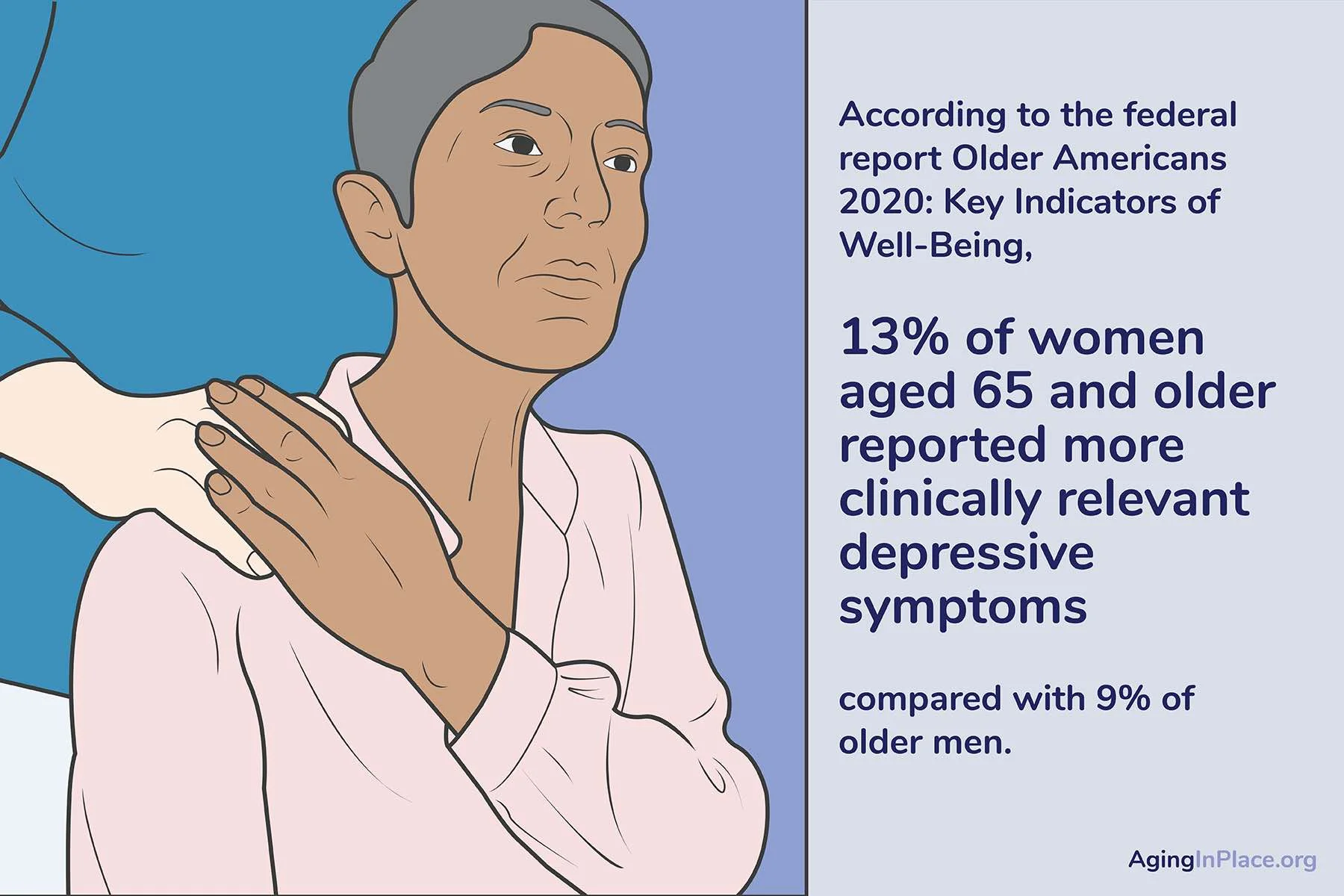
The Centers for Disease Control and Prevention (CDC) reported that older adults are at an increased risk of depression. This is because 80% have at least one chronic health condition, and 50% have two or more illnesses such as cancer or heart disease, which can limit your ability to function. Also, according to the federal report Older Americans 2020: Key Indicators of Well-Being, 13% of women aged 65 and older reported more clinically relevant depressive symptoms compared with 9% of older men.
The National Institutes of Mental Health (NIMH) reports that depression can be diagnosed at any age. Older adults may also be at a higher risk of developing depression if they:
- Are lonely or socially isolated
- Are female
- Have a disability
- Sleep poorly
- Take certain medications
- Have personal or family history of depression
- Are experiencing stress stemming from a life event, such as a divorce or loss of a spouse
Why the Stigma?
“The most classic symptom of depression is feeling sad for most of the day for two weeks,” said Mark Kunik, a geriatric psychiatrist and professor in the Menninger Department of Psychiatry and Behavioral Sciences at Baylor College of Medicine in Houston and a physician at the Michael E. DeBakey VA Medical Center.
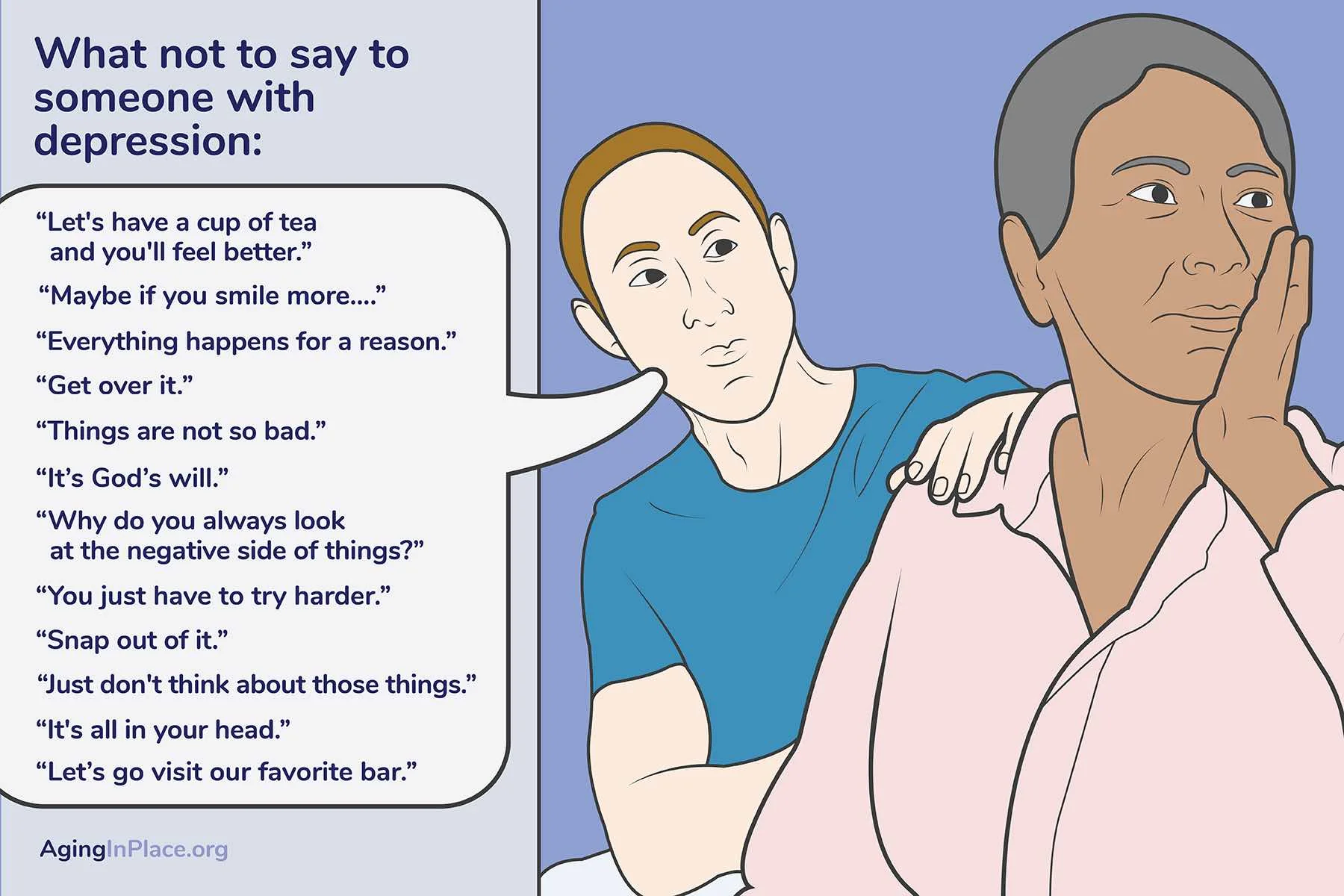
“However, compared to younger adults, older adults are less likely to vocalize that they’re depressed and instead will speak about related physical ailments such as ‘feeling tired’ or ‘having no energy’ and they’re not vocalizing their sadness because they’re ashamed. They think mental health is a character flaw or a marker of weakness of mind and body. In addition, prior to the 1960s there were little scientifically proven psychiatric treatments,” said Dr. Kunik. “Older adults are less likely to see mental illness as biological as heart disease or hypertension. They see it as something in their control and their fault.”
Getting older is an experience that our modern society tends to devalue, added Dr. Serani. “When it comes to mental illness, the public fears and distances themselves from individuals who have a mental health disorder. So, when older adults begin to struggle with a mental health issue, they must deal with the double burden: ageism and mental illness stigma. This is why it’s hard to talk about mental illness with older adults. No one wants to feel different, singled out, or seen as vulnerable by being older or by having a mental illness.”
As people age, there is increased risk for certain mental health problems. When an older adult has cognitive decline or dementia, they are likely to have depressive symptoms, said Dr. Lee. “Seeking mental health care for the first time as an older adult may be challenging for many individuals. They may feel uneasy speaking to their primary care doctors about these problems and have limited knowledge about the different treatments.”
Yet, despite how common depression is, it may not be discussed much by an individual and their doctor, which means that you may want to bring it up and help advocate for your loved one. A study in the Journal of the American Geriatrics Society found that primary care doctors spend little time discussing mental health care with older adult patients.
Signs of Depression
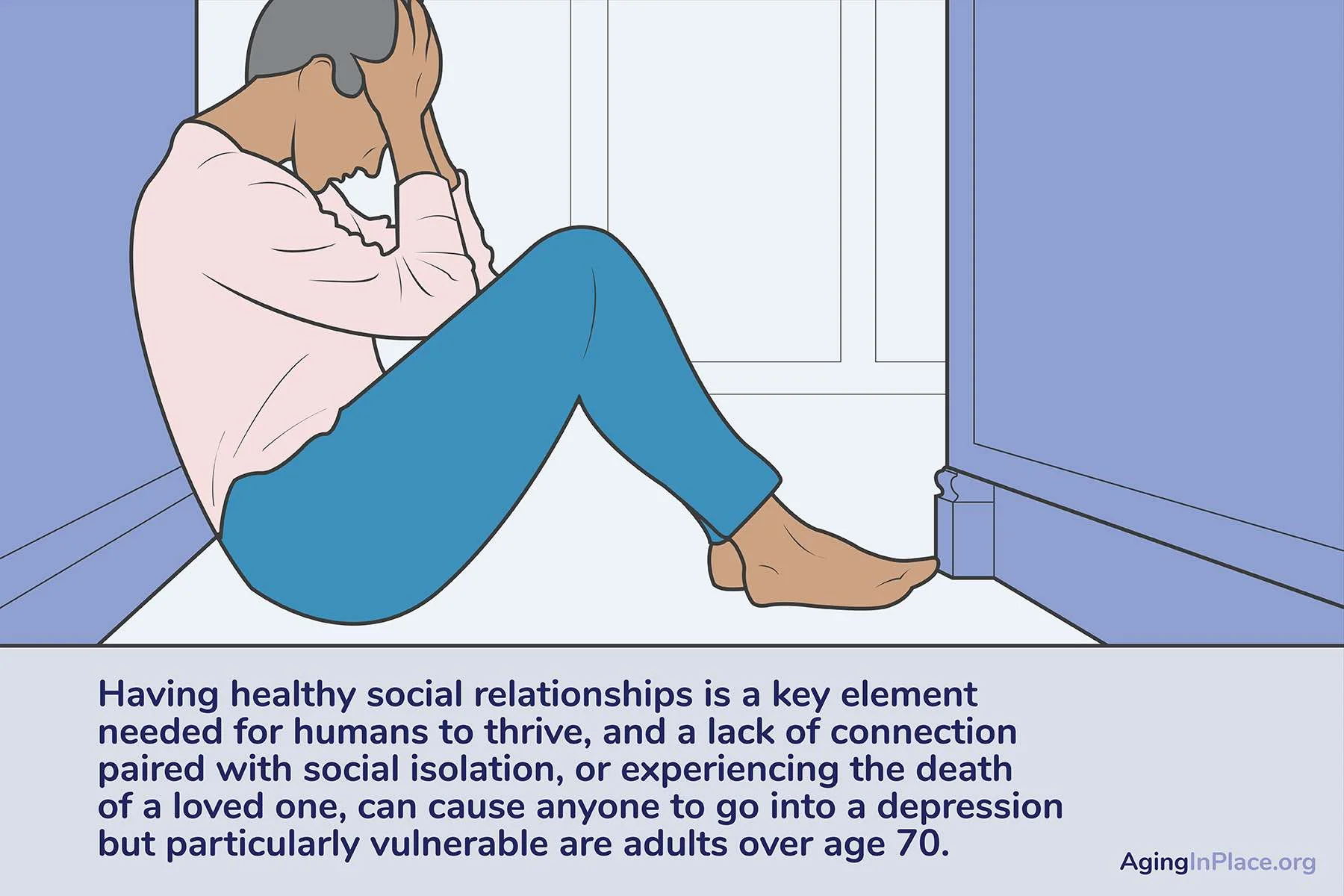
Having healthy social relationships is a key element needed for humans to thrive, and a lack of connection paired with social isolation, or experiencing the death of a loved one, can cause anyone to go into a depression, but particularly vulnerable are adults over age 70.
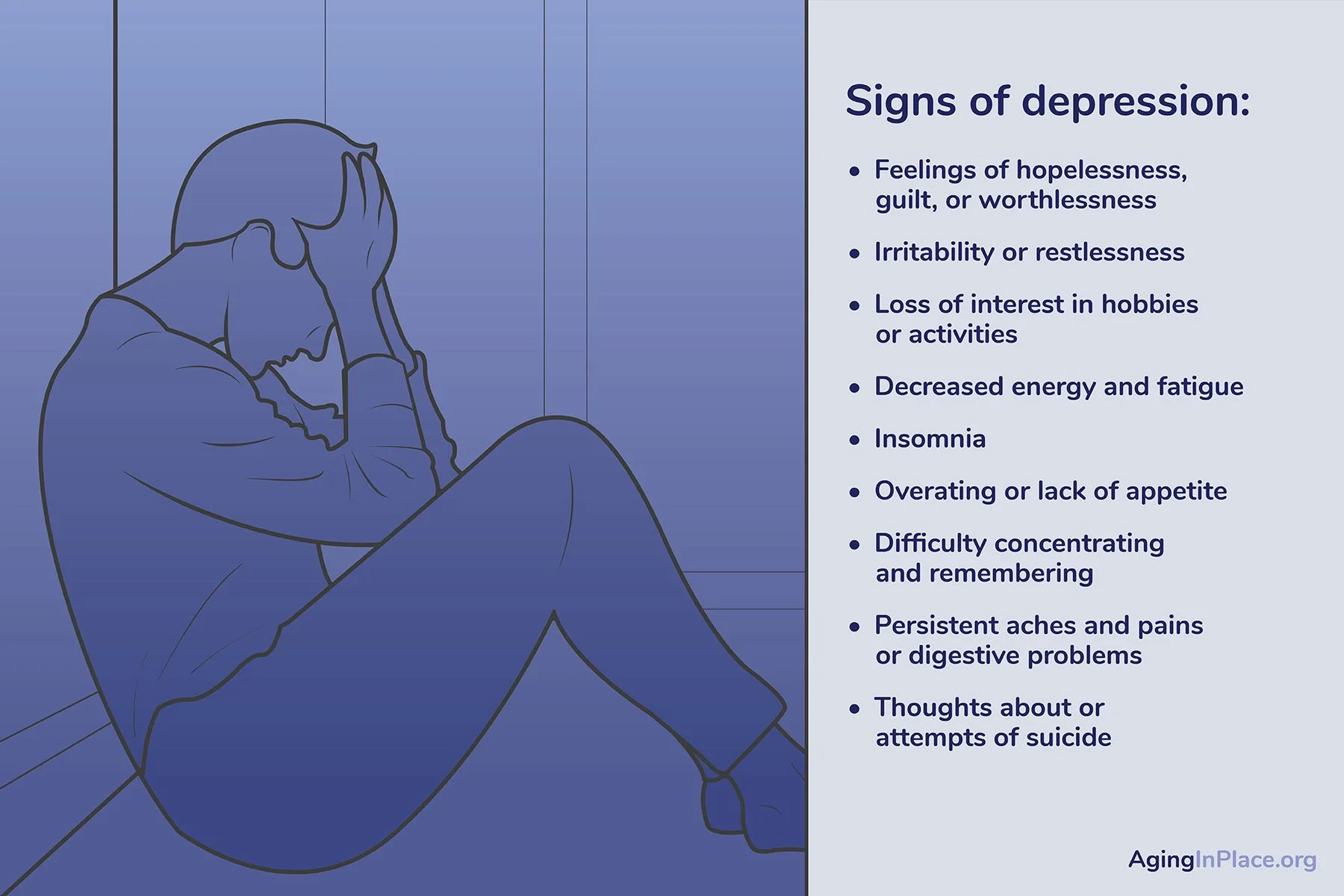
Other symptoms to look for that indicate an individual is dealing with depression, according to the CDC, may include:
- Feelings of hopelessness, guilt, worthlessness
- Irritability, restlessness
- Loss of interest in hobbies or activities
- Decreased energy and fatigue
- Insomnia
- Overeating or lack of appetite
- Difficulty concentrating and remembering
- Persistent aches and pains or digestive problems
- Thoughts about or attempts of suicide
“There are validated measures available to help screen for suicidality,” noted Lauren Masopust, a licensed marriage and family therapist who provides psychotherapy to youths, adults, couples, and families. “These screeners, such as the (C-SSRS), the Columbia-Suicide Severity Rating Scale, are available in many primary care providers’ offices.”
According to the American Psychological Association, suicidal ideation behaviors to be on alert for include:
- Talking about committing suicide
- Trouble eating or sleeping
- Changes in behavior
- Social withdrawal
- Lack of interest in hobbies and school
- Previous attempts at suicide
- Experienced recent losses
- No longer cares about personal appearance
For the full list, visit the American Psychological Association.
“If an older adult is expressing suicidal thoughts or talking about harming themselves, it’s important to connect them to help as soon as possible,” said Dr. Lee. “Resources such as the new Suicide and Crisis lifeline (988) or the local emergency room are critical in those situations.”
Benefits of Addressing Mental Health
Talking about mental health can allow you to move forward and start finding solutions, as well as help improve relationships that may be strained.