
The 8 Best Invisible Hearing Aids in 2023
The 8 Best Invisible Hearing Aids in 2023

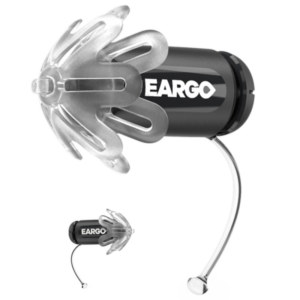


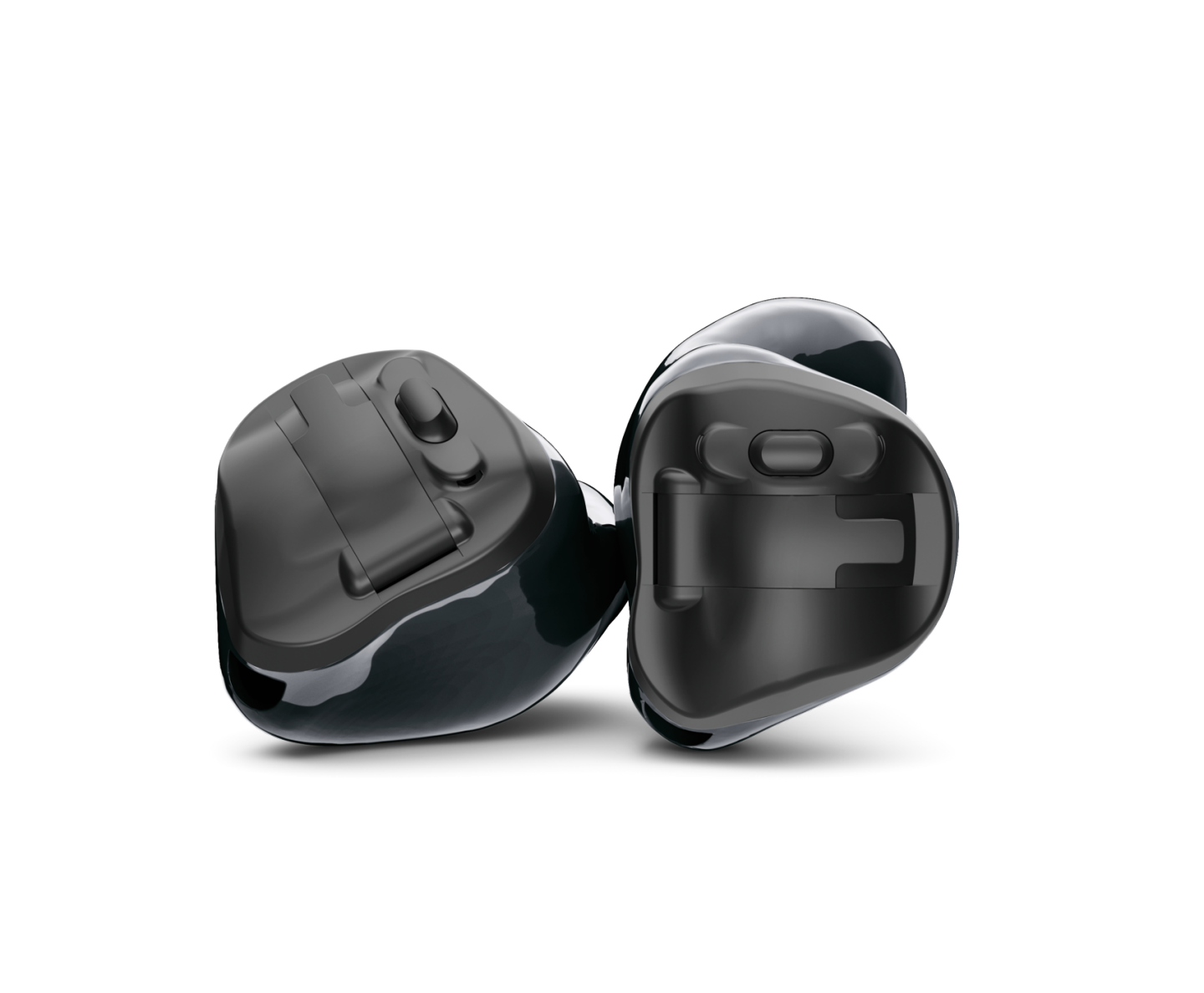

Invisible hearing aids are the smallest hearing aids on the market. They fit completely in the ear canal, so no one can tell you’re wearing hearing aids.
We’ve reviewed eight of the best invisible hearing aids from some of the top brands in the market. We also consulted audiologists for an insider perspective on what to consider when shopping for invisible hearing aids.
What Are Invisible Hearing Aids?
Invisible hearing aids can’t be seen when worn. Some invisible hearing aids must be inserted into the ear canal by an audiologist and remain there for several months. More typically, you insert the hearing aids yourself and remove them daily by pulling on their removal threads, or clear plastic strings attached to their outermost end. Like with all hearing aid styles, invisible hearing aids have their pros and cons.
Pros
-
Discreet
-
More comfortable for people who wear glasses
-
Less feedback and good sound amplification
Cons
-
Features and battery life limited by small size
-
Can be difficult to handle and place in the ear
-
Limited to treating less severe hearing loss
-
Can create an echo effect for high frequency hearing loss
Who Are Invisible Hearing Aids For?
Invisible hearing aids are best for people with mild to moderate hearing loss. This is because their small size limits space for the technology that’s needed to treat people with more severe hearing loss. Another drawback of their small size: They’re not as easy to clean, change the batteries, or place in the ear canal, especially if you have arthritis or any condition that affects hand dexterity.
“Ear canals are like snowflakes—there are no two alike,” said Heather Malyuk, Au.D., Head of Audiology, at Tuned, “As such, not every ear canal is comfortable with these styles of hearing aids. They need to have an unremarkable ear canal because the manufacturer needs to be able to fit all of the parts into the shape of their specific ears. If the ear canals are too narrow, too curvy, or have any anatomical abnormalities, this is much harder for the manufacturer to do.”
Invisible hearing aids, compared to behind-the-ear hearing aids, can also be more comfortable for people who wear glasses, masks, or oxygen tubing because the hearing aids don’t compete for space behind the ear, according to Sarah Lundstrom, Au.D., of HearCare Audiology.
Types of Invisible Hearing Aids
There are two types of invisible hearing aids: invisible-in-canal (IIC) hearing aids and completely-in-canal (CIC) hearing aids. IIC hearing aids are the smaller of the two types, and only some CIC hearing aids are considered invisible, according to Melissa Karp, Au.D. with Audiology & Hearing Services of Charlotte, North Carolina.
IIC hearing aids rest deeper in the ear canal than CICs. “Someone with an average to large ear canal is a more appropriate candidate [for an IIC-style hearing aid],” Karp said.
Both IICs and CICs require either more frequent charging for rechargeable models or more frequent battery changes for disposable battery models because they can fit only small batteries that don’t last as long. Also because of their small size, IICs and CICs do not typically have volume control buttons directly built onto the hearing aids. CICs are a bit larger than IICs, which, for some CIC models, allows room for Bluetooth audio streaming.
In addition to their cosmetic appeal, invisible hearing aids have audiological benefits from sitting so deeply in the ear canal.
“The closer the speaker of the hearing aid to the eardrum, the less output is needed. [A] benefit of less output needed is less risk of acoustic feedback,” Karp explained.
Acoustic feedback is a whistling sound that can occur when you wear hearing aids. Invisible hearing aids are associated with less whistling and wind noise.
Discreet Hearing Aids
Other discreet, but slightly larger, hearing aid options exist. They are not considered invisible hearing aids because they don’t disappear into the canal. Discreet hearing aids are designed to be less noticeable, yet still have space for housing more advanced technology than invisible hearing aids. These technologies can include Bluetooth streaming, telecoil, longer battery life, and volume controls for manually controlling volume on the hearing aid. Because larger hearing aids have more room to fit technology, they can also treat more severe types of hearing loss.
Here are three discreet hearing aid options:
Mini Behind-the-Ear (Mini BTE)
Mini BTE hearing aids are a slimmer version of traditional BTE hearing aids. They discreetly tuck away behind the upper ear and loop around to deliver amplified sounds into the ear canal.
In-the-Ear (ITE)
ITE hearing aids contain no hard shell that hides behind the upper ear like mini BTE. But unlike invisible hearing aids, ITE fit inside the outer ear rather than in the ear canal, making them visible when worn. This style is larger than invisible and in-the-canal (ITC) styles and can pick up more wind noise than smaller styles.
In-the-Canal (ITC)
ITC hearing aids insert into the canal but stick out a bit past the opening of the ear canal, making them visible to others. These hearing aids are smaller than ITE and mini BTE, so their battery life is usually shorter than these larger styles but longer than invisible styles.
How We Research and Test Invisible Hearing Aids
Our experts research and recommend products that can help give you a better quality of life. Using our high standards and rigorous testing methodology, we’ve spent more than 4,000 hours, collectively, researching the best hearing aids to help you find the device that’s best for you. Throughout our research process, we did the following:
- Consulted with audiologists and geriatric care experts
- Mystery shopped the brands
- Surveyed hundreds of hearing aid users
- Tested various models of hearing aids
- Interviewed experts in the field
- Read thousands of verified customer reviews
We compared invisible hearing aids across brands´ sound technology, features, costs, and purchasing and maintenance requirements.
How Much Do Invisible Hearing Aids Cost?
Many invisible hearing aids are custom-fit prescription hearing aids. Some brands, like Eargo and Embrace Hearing, are not custom fit and can be purchased over the counter (OTC). Prescription, invisible hearing aids are typically more expensive because they are custom-fit to your ear canal and can be purchased only at hearing clinics after consultations with an audiologist. OTC invisible hearing aids can be purchased online or in stores without seeing an audiologist, although some brands have remote consultations available if needed. Based on our review of both OTC and prescription invisible hearing aids, costs range from $1,400-$8,000 per pair.
Despite a more discreet design, invisible hearing aids aren’t necessarily more expensive than other hearing aid styles, Lundstrom explained. “At many practices, the style is not the main factor in price. Providers may base the price on the computer chip technology rather than the style of the devices.”
Best Invisible Hearing Aids



Consider This When Choosing an Invisible Hearing Aid
Invisible hearing aids have their pros and cons. The more hearing aid technology in a hearing aid, the more space it requires. Technology tradeoffs come with the small size.
- Limitations in hearing severity the hearing aids treat: Hearing aid receivers, or the speaker that amplifies sound, needs to be larger when treating more severe hearing loss. To fit in the ear canal, invisible hearing aids don’t have room for these larger receivers. This limits them to only treating mild to moderate hearing loss.
- Bluetooth capabilities: Although some invisible hearing aids do have Bluetooth connectivity that lets them connect to smartphones for volume and sound program control, most don’t have Bluetooth streaming. Bluetooth streaming allows you to stream audio from your TV or phone directly into your hearing aids for better sound quality. Most invisible hearing aids don’t have the space to incorporate streaming technology.
- Telecoil: A technology that allows your hearing aids to directly stream audio in public venues with a telecoil-compatible sound system, telecoil tends to take up too much space for the majority of invisible hearing aids.
- Battery type: Most invisible hearing aids have a disposable rather than a rechargeable battery. The Eargo 6 was the only hearing aid we reviewed with a rechargeable battery. This limitation to disposable batteries is also due to invisible hearing aids’ exceptionally small size. Disposable batteries last around one week max when used around 16 hours a day, meaning you can expect to buy new batteries and change them frequently.
- Volume controls: Unless invisible hearing aids have Bluetooth app connectivity or an ear-tapping feature, you won’t be able to change volume and switch listening programs without a remote, if the brand offers one. For some models, you’ll be limited to the specific program and volume your audiologist sets.
You’ll also need to consider how you prefer to purchase your invisible hearing aids. Invisible hearing aids are available as both prescription and OTC. While OTC hearing aids are less expensive, prescription hearing aids may offer better sound technology for more severe hearing loss, and audiologists can more precisely tailor them to your individual hearing loss.
How To Find the Best-Fitting Invisible Hearing Aid
Invisible hearing aids come in two varieties: custom fit or a generic one size for all. For the best fit, custom-made hearing aids are undoubtedly superior. However, these hearing aids are more expensive than the one-size models.
For hearing aids made to mold to your ear’s anatomy, you’ll have to purchase a prescription hearing aid, which requires a hearing aid test and consultation with an audiologist. One-size-fits-all hearing aids are usually available for purchase over the counter. They often come with several different shapes and sizes of ear tips, allowing for limited customization to your ear anatomy. OTC hearing aids often also come with a free trial period so you can try them out and return them if you don’t like how they fit and function.
Alternatives to Invisible Hearing Aids
Larger hearing aids may be a better fit if you have more severe hearing loss or want more technological features, like Bluetooth streaming. Some alternatives to invisible hearing aids include behind-the-ear (BTE) hearing aids. These are your more traditional hearing aids that rest behind the top of the ear. Because they’re larger, they have more room for better sound technology. They come with more discreet options, like the slimmer miniBTE model. For many people who wear this style, the hearing aid hides behind the ear or in their hair.
ITE and ITC models are other alternatives large enough to hold technology that treats more severe hearing loss and streams audio directly into the hearing aids.
Bottom Line
Invisible hearing aids are the most discreet hearing aids on the market. They may be the best option for people with mild to moderate hearing loss who are self-conscious about wearing hearing aids. Because of their small size and the need for frequent battery changes, they’re also best for people who have full hand dexterity.
We reviewed invisible hearing aid options that meet different budgets. OTC options are the Eargo 6, Audicus Mini, and Embrace Hearing C-series. Prescription options are Phonak Virto Paradise, Phonak Lyric, Starkey Evolv AI, Signia Silk X and Oticon Own. Eargo, Embrace Hearing, and Signia offer invisible hearing aids with Bluetooth app connectivity. Of the hearing aids we reviewed, only the Starkey Evolv AI offers Bluetooth streaming.
If discreetness is your top priority, invisible hearing aids may be the right style for you.
Frequently Asked Questions
-
Invisible-in-canal (IIC) is the least visible hearing aid. Once placed in the ear canal, the outermost part of the hearing aid, known as the faceplate, can’t be seen by others.
WRITTEN BY

MEDICALLY REVIEWED BY

Dr. Kupfer is an Audiologist and Hearing Aid Specialist in NYC, where she works with adults and older adults daily. In addition to diagnosing hearing loss, tinnitus and fitting cutting-edge hearing aids in her private practice, she serves as adjunct clinical faculty for the CUNY Audiology Doctoral Program.