


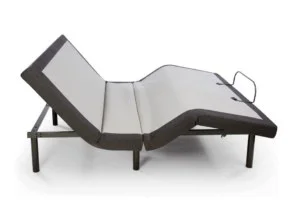
What Is a Zero Gravity Bed?
The zero gravity (also called Zero-G) position was developed by NASA to ensure smoother take-offs for astronauts when being launched into space. Scientists found that angling the body a certain way could neutralize weight, while minimizing stress on the body. This also created a feeling of weightlessness.
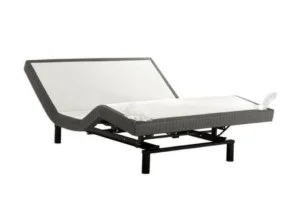
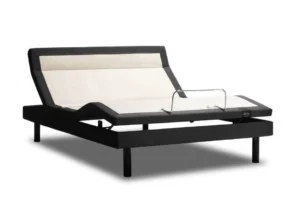
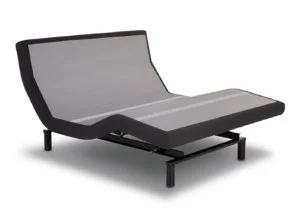
Zero gravity beds mimic this position in your own bedroom. The zero gravity position is achieved with an adjustable bed base that elevates both your head and feet. The adjustable bed base has a motor that’s operated by a wireless remote. When you press a button on the remote—usually there is a pre-programmed setting for “zero gravity”—the bed automatically moves into the proper position.
What Does Zero Gravity Position Mean?
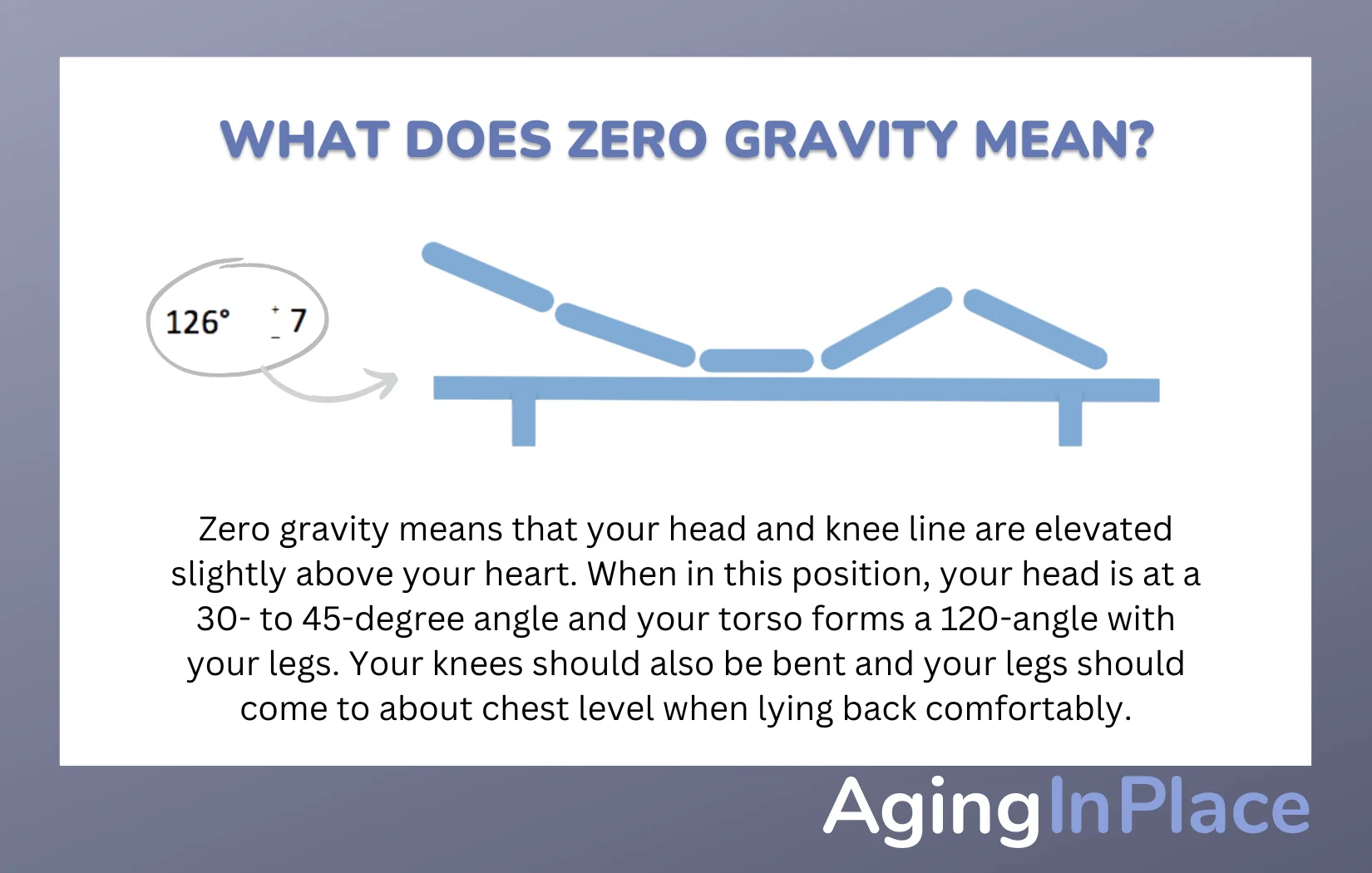
As far as actual positioning goes, zero gravity means that your head and knee line are elevated slightly above your heart. When in this position, your head is at a 30- to 45-degree angle and your torso forms a 120-angle with your legs. Your knees should also be bent and your legs should come to about chest level when lying back comfortably.
It’s best to lie on your back when in a zero gravity position since this will support the natural curvature of your spine rather than working against it. Lying on your side in zero gravity can misalign the spine and put undue strain on your body, which can ultimately lead to pain and soreness.
Benefits of Zero Gravity
Lying in a zero gravity position feels comfortable, but its benefits go beyond that too. Zero gravity can alleviate pain, reduce swelling, improve sleep apnea, and more.