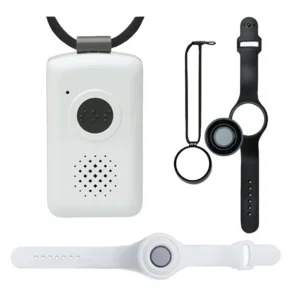
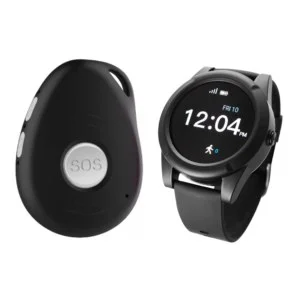
The Lively Mobile Plus is an all-in-one medical alert device with enhanced GPS and two-way communication that you can wear around your neck or clip on your belt. It’s larger than other wearable devices, so it may not be a good choice if you’re looking for a discreet help button. Lively uses Verizon’s cellular service to connect to monitoring center operators.
Lively offers three “Health and Safety” monitoring packages: basic, preferred, and ultimate. If budget is not an issue, the preferred package is the way to go. It provides comprehensive coverage and fall detection.
Basic package: $24.99 per month for urgent response
Preferred package: $29.99 per month for urgent response, urgent care, and Lively Link
Ultimate package: $39.99 per month for urgent response, urgent care, Lively Link, and fall detection. The ultimate package is the only one that offers fall detection.
- Urgent response is the 24/7 monitoring center you call in case of an emergency.
- Urgent care gives you 24/7 telephone access to a doctor or nurse from the comfort of your home.
- Lively Links is an app that sends alerts to an identified caregiver or loved one if you call urgent response.
If you’re an AARP member, make sure to ask about the exclusive $60 yearly discount on select Lively Health and Safety packages.
How Do Medical Alert Systems with GPS work?
Medical alert systems with GPS come with a help button that connects to a monitoring center during a medical emergency. When activated, the help button initiates two-way communication with an operator at the monitoring center who will respond to your emergency by contacting friends, family, or 911, if necessary. Since it uses GPS and cellular technology, operators and responders can pinpoint your exact location.
Types of GPS Medical Alert Devices:
In general, GPS medical alert devices come in four styles: bracelet, pendant, cellphone, or smartwatch.
Bracelet or wrist button: GPS wrist buttons or bracelets look like a watch but only contain the help button that alerts the monitoring center or designated emergency contact. They typically come in black or white and are easy to adjust and operate.
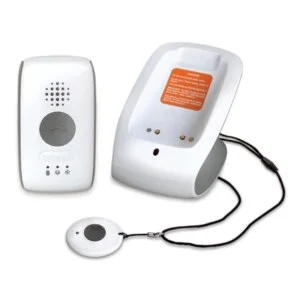
Pendant or necklace—A wearable GPS neck pendant is attached to a lanyard and resembles a large necklace. It generally sits at mid-chest level. Most devices are a bit bulky, so this is not ideal for people looking for something discreet. However, if you like the pendant help button but don’t want to wear it around your neck, ask about clipping it to a belt buckle or carrying it in a purse or bag.
Cellphone—All monitored medical alert systems come with a wearable help button or smartwatch. That said, some companies offer a separate app or subscription-based service you can use on a cellphone that works like a medical alert system by alerting emergency services when activated. This might be a good option for the average adult who wants quick access to emergency help, but it is not ideal for older adults who need closer monitoring or don’t want to carry a phone at all times.
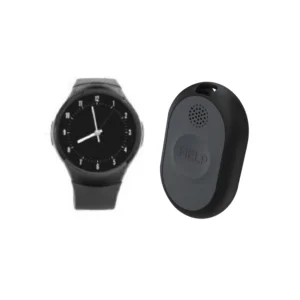
Smartwatch—GPS medical alert smartwatches are newer devices offered by select medical alert companies. They often come with a one-time fee, but you can keep and use the watch even after canceling the monthly monitoring service. Most GPS medical alert smartwatches look like a typical wristwatch. Unlike the average smartwatch, they have a help button on the face or side of the watch that you can activate during an emergency. Some models also come with other features like step tracking, heart-rate monitoring, text messaging, and two-way communication.
What Is the Difference Between GPS Medical Alert Systems and Mobile Systems?
Medical alert systems with GPS are considered mobile systems that work via cellular technology. GPS capabilities allow an operator at the monitoring center or an identified emergency contact to identify your exact location even if you can’t respond.
Most mobile medical alert systems use GPS, but standard mobile systems without tracking technology can’t share your location with loved ones or a monitoring center agent. This can be dangerous if you’re unresponsive or unsure where you are.
Do I Need a Medical Alert System with GPS?
Deciding if you need a medical alert system with GPS comes down to a few factors. First, you may not need a GPS-enabled device if you are housebound and have a medical alert system with a base unit. According to Denise Brown, a consultant for medical alert device company and professional caregiving coach, a medical alert system equipped with GPS capabilities is beneficial for users because of the freedom and independence that it provides. “Some aging seniors may still have their mobility and mental agility but elect to start using a medical alert device because they find themselves living alone after losing a spouse, or just as a precaution as they age,” Brown said. “A device with GPS allows you to move freely while also providing caregivers the peace of mind of being able to locate you when they’re not around.”
Medical alert systems with GPS may include fall detection technology, which is important when considering senior safety. This means you can go for walks, to the store, or on a drive knowing that a caregiver or call center can find your location should an accident or medical emergency occur. If you are still active, move around outdoors, and often leave your home, a medical alert with GPS is a good investment.
Where Can You Buy Medical Alert Systems with GPS?
You can buy medical alert systems with GPS online or over the phone. The majority of companies have websites with details about devices, plans, fees, warranties, return policies, and information on how to order. Most sites have ordering systems that allow you to complete the entire process online. With that said, some sites have limited information and require a phone call to a customer service representative for prices, plans, and ordering. If you’re not comfortable purchasing a device and plan online, all medical alert companies listed in this roundup have excellent customer service and sales departments. They will answer any questions and assist you with selecting and purchasing a medical alert device. If you need help narrowing your search, take some time to read through the best medical alert systems reviews online.
Are Medical Alert Systems with GPS Waterproof?
Medical alert systems with GPS are either water-resistant or waterproof. Most are resistant to water, which means they can withstand splashing and high levels of humidity and are generally safe to wear in the shower or while bathing. If a device says it is waterproof, then most likely, it can handle being submerged for a short period of time. In general, avoid swimming or submerging any device for long periods of time in the water. Be sure to check the instructions that come with the device to determine its ability to handle water. Here are the specifications for the medical alert devices listed in this article:
- Bay Alarm Medical: Water-resistant
- Medical Guardian: Water-resistant
- MobileHelp: Neck pendant, wrist button, and fall button are all waterproof, but not designed to be submerged for long periods of time.
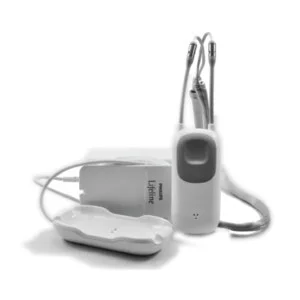
- Philips Lifeline: Waterproof in up to 1 meter of water for 30 minutes.
- LifeStation: Water-resistant
- LifeFone: Water-resistant
- Lively Mobile Plus: Waterproof
What to Look for When Shopping for a Medical Alert System with GPS
If you’ve decided to move forward with a medical alert device, the next step is to research various brands, styles, and systems. Here are some features to consider when shopping for a medical alert system with GPS.
Fall Detection
With automatic fall detection, you can wear a neck pendant or wrist button that automatically detects a fall based on your motion. If you fall, it contacts the emergency response center for you even if you can’t press the button. This feature is useful for all seniors, but it’s vital for older adults who have a history of falling or are at a higher risk of falling due to a medical condition or recent surgery. More than one out of four older adults fall each year, according to the Centers for Disease Control and Prevention (CDC).
With that in mind, it’s easy to see how falls are a good example of the value of monitored systems. “Falls are the number-one reason [the] independent elderly lose their independence and often lead to mortality…rapid response is key to protecting seniors,” said Dr. James Dan, MD, a geriatric clinical advisor and member of the Senior Helpers board of directors. Automatic fall detection detects falls with integrated sensors that directly connect to the call center, allowing emergency responders to immediately bring help. Additionally, the call center can contact family or friends.
Response Time
The average response time for most call centers is up to 60 seconds. When shopping for a medical alert system with GPS, make sure to ask about the average response time, which includes the amount of time it takes for the monitoring center to respond once you activate the help button. It’s also a good idea to read reviews online that discuss response time.
Voice Activation
Voice activation is an extremely helpful feature when it comes to GPS medical alert systems. Having a medical alert that has two-way voice capability and connects to a live, dedicated agent can quicken response times and help you remain calm during an emergency. Having a kind, reassuring person to talk to is invaluable in these critical moments.
Battery Life
Battery life is a key feature when choosing a device. The battery life of mobile medical alert systems with GPS are often shorter than home-based systems. It’s not uncommon to have to charge the device every three to five days, with some even needing daily charging. If needing to charge a device daily is a problem, you should opt for a system that lasts at least two to three days on one charge.
Style
Medical alert devices come in a variety of styles, including neck pendants, wrist buttons, smartwatches, and even devices you can hold in your hand, clip to a belt buckle, or toss in a bag. Many medical alert systems come with a neck and wrist help button, giving you the flexibility to choose the style that’s right for you, while others, like a smartwatch, are only available in a wrist style. You should be able to check the specifications for each device on the website. These include dimensions and weight.
Warranty
Before deciding on a medical alert system, ask about warranties and read the fine print. Some companies offer a limited warranty that only covers short-term wear-and-tear, while others guarantee the product for life. Additionally, companies like Bay Alarm Medical offer a protection plan that covers replacement of lost or damaged items for an added fee.
Pros and Cons of Medical Alert Systems with GPS
Most GPS devices are small, portable, and easy to carry in a purse or bag, or wear around your neck or on a belt buckle.
Connects with a monitoring center while you’re at home or on the go, providing full coverage any time you’re wearing the device.
Provides accurate information about location when you’re wearing the device. Because it is satellite-based, a call center operator, caregiver, or loved one can detect your location even if you’re lost, disoriented, or unable to communicate.
Can be a helpful tool for family members caring for someone with dementia or Alzheimer’s.
Several GPS medical alert devices are now available as a smartwatch that include notifications, fitness tracking, two-way communication, and texting.
Connects with caregiver apps allowing loved ones to monitor and track your location at any time.
Many products connect to caregiver apps, allowing loved ones to monitor and track your location at any time.
Helpful for seniors who are still driving and need GPS services.
Not all mobile GPS-enabled devices are available as Bluetooth medical alert systems with fall detection.
Often more expensive than at-home systems.
Some medical alert companies have a one-time fee for the GPS-enabled device.
Devices may need frequent charging.
Certain add-ons aren’t always available.
Coverage may be spotty if cellular services are not available in your area.
Why You Can Trust Our Expert Review
We strive to create honest, helpful reviews backed by firsthand shopping, testing, and research. Our content is medically reviewed and unbiased to help you choose the right medical alert system for you or your loved one.
From over 1,000 hours of research, we choose 11 of the top brands that we believe are the best medical alert systems. We did the following throughout our research process:
- Consulted with geriatricians and adult caregivers
- Mystery-shopped the brands
- Surveyed medical alert system users
- Tested various medical alert systems
- Interviewed experts in the field
- Read hundreds of verified customer reviews from trusted third parties, such as Better Business Bureau (BBB) and Trustpilot
Bottom Line
Adding a medical alert system with GPS to your life is a major step in improving personal safety while at home and on the go. In our research, seven companies stood out as solid choices for medical alert systems with GPS. Our top pick, Bay Alarm Medical, consistently meets high standards and receives top reviews from customers. It has a smartwatch and a traditional help button. Plus, the company has cutting-edge emergency technology you can use while driving—a feature we think is worth the extra $20 per month.
But if you want a medical alert that also doubles as a fitness tracker, then consider the Medical Guardian Active Guardian. This sleek smartwatch is an excellent pick for active older adults who want coverage both at home and away from home. Another high-quality smartwatch to consider is LifeStation’s SideKick Smart. This GPS-enabled smartwatch allows users to call for help, track steps, monitor heart rate, and more.
And, finally, couples looking for a budget-friendly system should consider MobileHelp’s MobileDuo. This “two-for-the-price-of-one” GPS medical alert system provides two-way communication and protection at home and on the go for two people. Our other top picks include Philips LifeLine, which offers a 15 percent discount for AARP members on certain monthly fees; LifeFone, which has the best variety of plans; and Lively Plus, which is a great option for seniors looking for a basic device.