


How We Found the Best Walk-In Tub with Shower
Key Takeaways
- Most walk-in tubs can be converted into walk-in tub-shower combinations, either directly through the walk-in bath company or with the help of a local plumber.
- Walk-in baths start at around $2,000 without installation, and can go up in price to more than $20,000 for bigger tubs and for those with more therapeutic features.
- Installation costs can sometimes exceed the price of the tub, depending on factors like the tub you choose, your existing plumbing and electrical setup, and if you need a full bathroom remodel.
- Walk-in bathtubs come in a wide variety of styles designed for different needs, including two-person tubs, those specifically made for small spaces, wheelchair-accessible models, and simple soaker tubs.
Best Walk-In Tub-Shower Combinations We Reviewed:
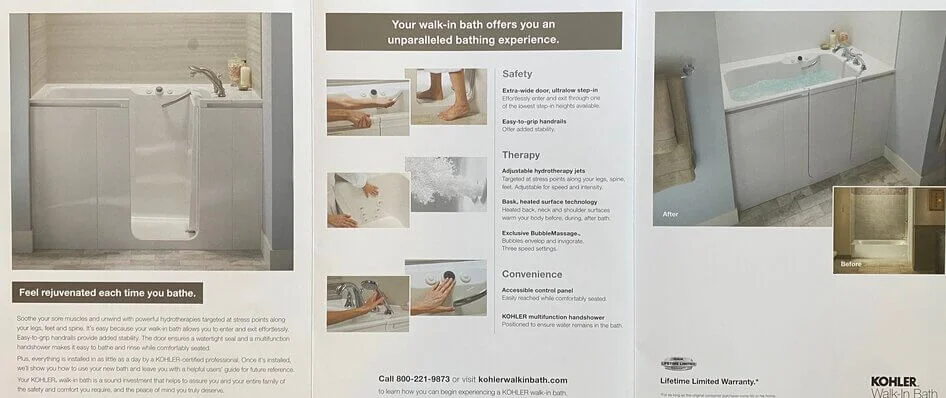
- Best Design Features: Kohler
- Greatest Variety: Ella’s Bubbles
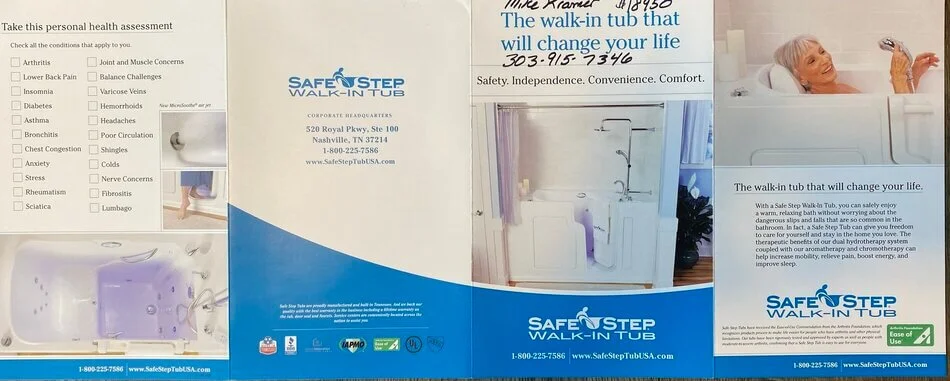
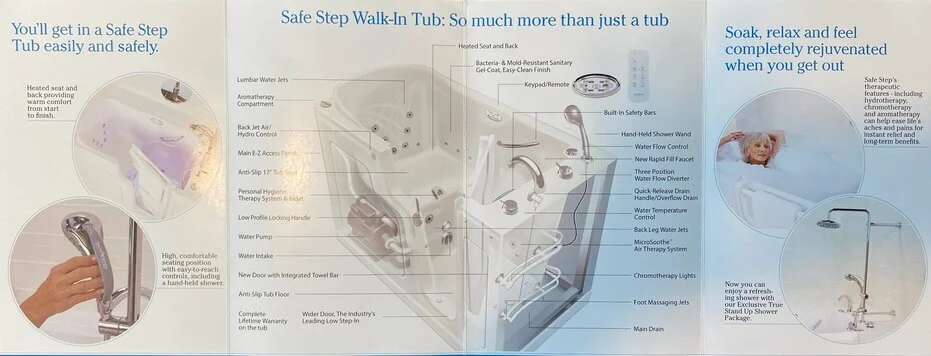
- Most Luxurious: Safe Step
- Best Bariatric: BOCA
- Best for Small Bathrooms: Meditub
Things to Consider When Shopping for a Walk-In Tub-Shower Combo
Tub Size and Shape
There are different types of walk-in tubs that vary based on their size, shape, and features. Here’s a breakdown of the different types of walk-in tubs available:
Soaker Tub
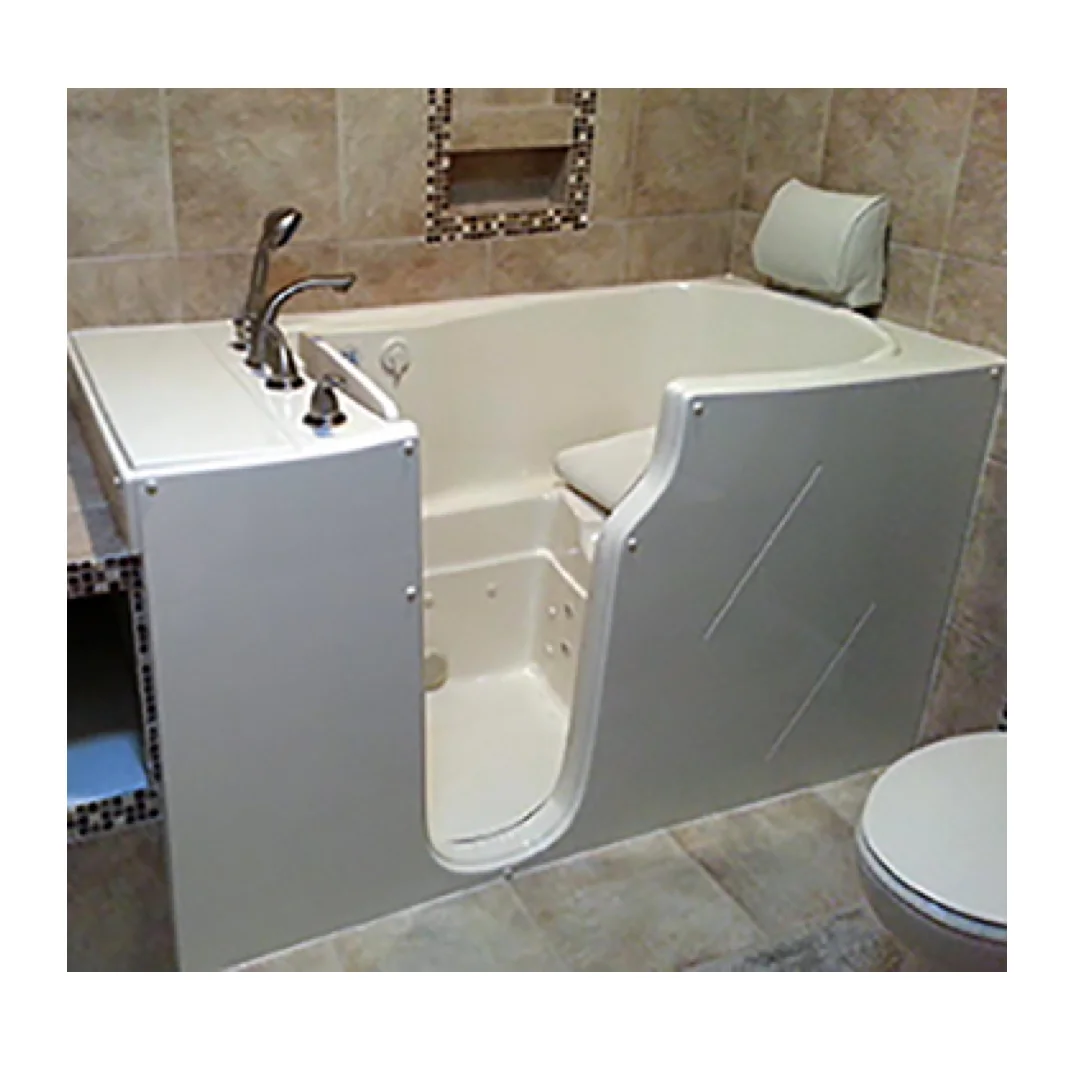
A walk-in soaker tub has high walls with an accessible seat. This is a common and basic style of a walk-in bathtub, and it has a lower price point than most of the options below.
Jetted Tub
A jetted tub typically has a soaker design with high walls and a seat, but it also comes with the added feature of water jets (known as hydrotherapy or whirlpool tubs) or air jets for added relaxation and pain relief. Depending on the brand and model you purchase, you can typically choose between water jets, air jets, or a combination of the two. Some models will have the option for microbubble therapy jets, tiny air jets that oxygenate the water for skin cleaning and care. The jets are also meant to stimulate the skin’s surface to help with relaxation.
Lay-Down Tub
A lay-down walk-in tub is similar to your standard bathtub with low walls and no seat, but this style comes with a door on the side that allows you to get in and out of the tub more easily. You won’t find these styles of tubs as often as you will see tubs with high vertical walls because they aren’t as easy to use for older adults or people with limited mobility.
Two-Person Tub
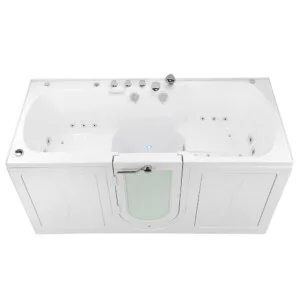
A two-person tub has two seats, typically located across from one another or sometimes side-by-side. These walk-in baths provide a safe and comfortable tub for couples.
Wheelchair-Accessible Tub
For a walk-in bath to be wheelchair accessible, it will have high walls, an ADA-compliant seat, and an L-shaped, outward-swinging door that allows for easy transfer from a wheelchair to the seat.
Bariatric Tub
If you weigh more than 300 pounds or have a wider build than the average person, a bariatric tub provides the extra width and support you may need. Bariatric tubs have a wider door, seat, and frame that enhance safety and comfort for people with larger bodies.
Tub-Shower Combination
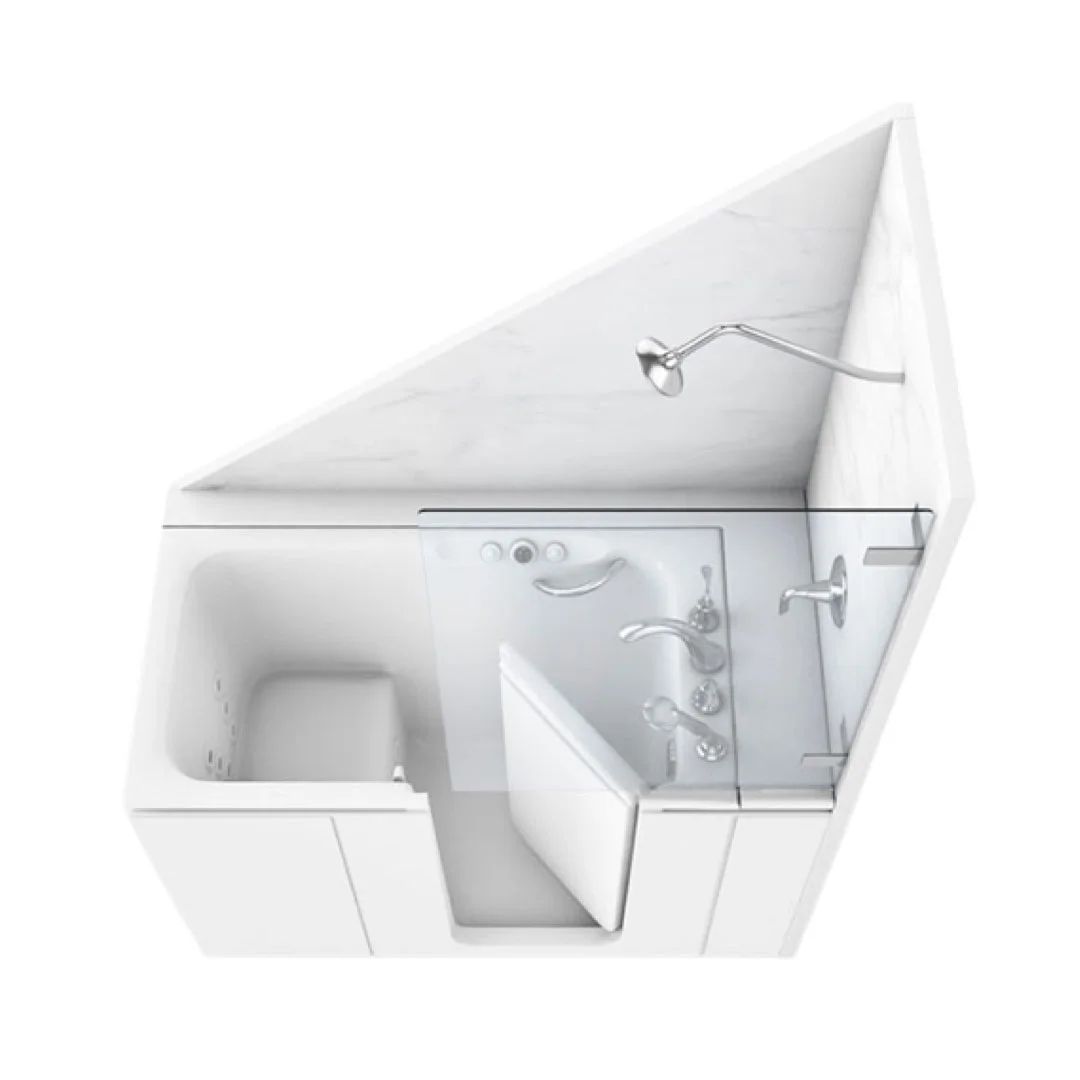
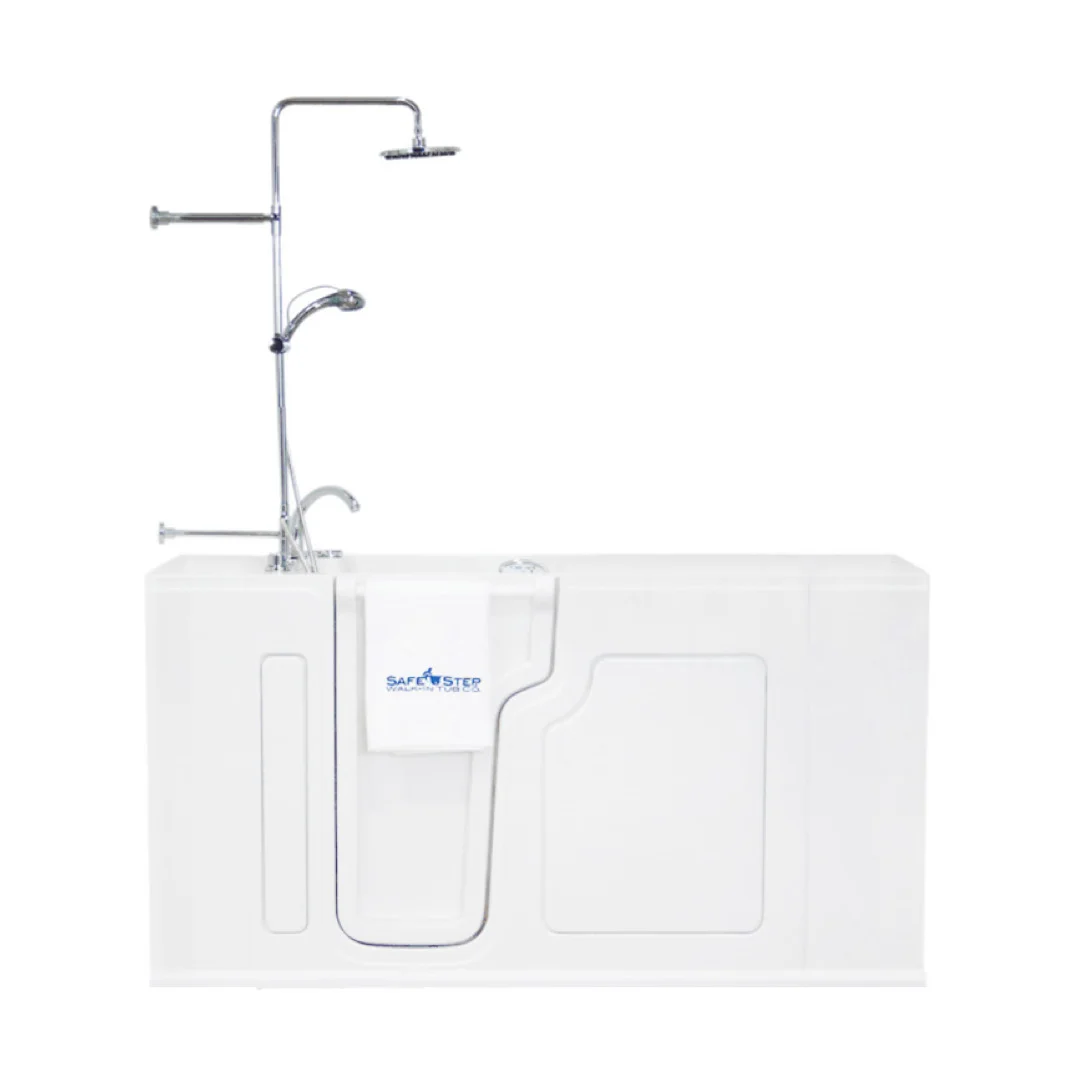
All the various types of walk-in tubs outlined above can be converted into a stand-up shower, although not every company offers this feature. If not, your installation expert would add a separate shower head above the bath, along with a shower rod or glass screen to protect your bathroom from splashing water.
Most tubs can come equipped with a handheld shower wand, which you can use to clean off while sitting. You only need an additional showerhead if you want to take standing showers or would rather not hold the wand when showering.
Water Capacity, Fill Time, and Drain Time
One of the biggest factors that differentiates walk-in bath models from each other is the size. A larger walk-in tub can provide a more luxurious bathing experience, but there are downsides. The greater the water capacity of your tub, the longer it takes to fill and drain. Additionally, because you enter using a door on the side of the tub, you must sit inside for the entire fill and drain time. Fortunately, many companies offer fast-fill and quick drain features, as well as optional heated seats and backrests.
If you want the tub to fill and drain quickly, a plumber may need to make some changes to your pipes. Additionally, larger tubs may require a bigger water heater than you currently have. These home modifications can easily add $5,000 or more to the cost of your tub and installation, so it’s best to weigh the pros and cons of a bigger tub versus a smaller tub before making your final purchase.
Safety Features
One of the biggest perks of a walk-in tub is an increase in bathroom safety. Walk-in tubs have a side door with a low threshold, allowing you to enter and exit the bath with more ease. In addition to the easy-entry door design, you may also find the following safety features:
- Textured flooring: Most walk-in bathtubs have textured floors designed to reduce the risk of falling, of which older adults are at greater risk. Non-slip floors are particularly important in hybrid tub-shower models because you may choose to spend some of your time standing.
- Grab bars: Grab bars and rails provide added security when moving around in the tub. They offer a secure point for support and balance and reduce your chance of falling. When adding a shower component to a walk-in tub, consider adding grab bars higher up on the walls for accessibility while you’re standing.
- Low threshold: All walk-in tubs have a lip along the bottom you must step over when getting into or out of the tub. Lower thresholds with a step-in height of around 3 inches or less are best if you have mobility challenges.